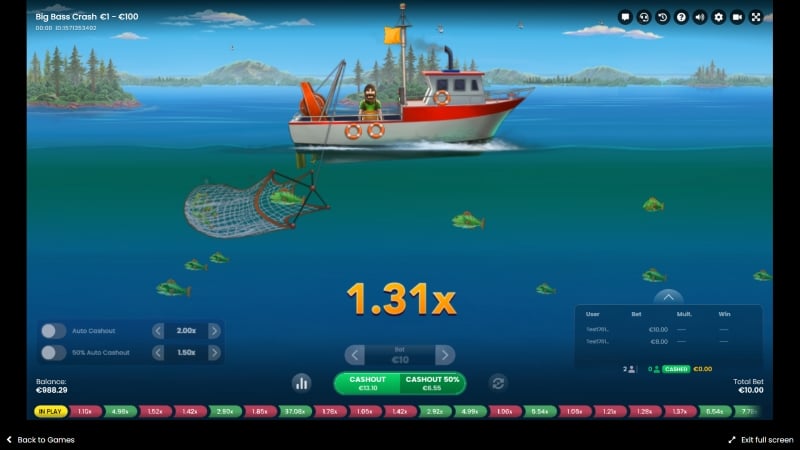
If you follow the UK’s iGaming scene, you see new games launch every week. Most flash and disappear. But the steady popularity of Big Bass Crash Game presents a different story. Its success isn’t just about mechanics or graphics. It resonates with something more essential: the deep comfort of knowing what to expect. For players in London, Manchester, or a village in Wales, gaming isn’t always about the newest, most intricate story. Often, it’s about the reassuring feel of a theme you already appreciate. It’s the expected thrill of a loop you grasp, and the quick welcome of a digital space that feels like an old jacket. That’s the real achievement here—crafting ease by using known pieces in a ingenious way.
Cultural Connection with the UK Audience
Picking a fishing theme was a clever move for the UK. Angling is part of the fabric of British leisure. Over two million people in England alone hold a fishing licence. It’s a hobby linked to endurance, quiet contemplation, and the thrill of a catch. That’s a perfect match for the gameplay loop of waiting and reward in Big Bass Crash. The game calls up the serene feel of a British lake at dawn or the nostalgic charm of a seaside fishing trip. These are memories that strike a chord with a wide range of people. This isn’t a theme drawn from American comics or Greek myths. It’s a slice of everyday British life, made digital. That inherent cultural link builds an instant feeling of belonging. A more generic or exotic theme couldn’t pull that off.
The game’s appearance also plays on a broader, comforting nostalgia. The artwork is colorful, cheerful, and has a cartoonish style that might bring to mind you of classic British animations or cheerful pub signs. Its visual tone is inviting and feels family-friendly, steering clear of the dark or aggressive style you see in some other game genres. This approachability widens its appeal. On top of that, the social part of sharing a big “catch” (a high multiplier cash-out) mirrors a very British habit: sharing stories about “the one that got away” or showing off a photo with a prize fish. Big Bass Crash Game doesn’t just simulate fishing. It simulates the whole social and emotional experience around it. That adds a powerful, comforting layer of cultural familiarity for its UK audience.
The reason Familiarity is a Enduring Strategy
In an industry always chasing the next big trend, you might think trusting familiarity would be a drawback. But the evidence points to the opposite. It’s a basis for lasting power. Big Bass Crash Game isn’t fixed in place. It works from a stable, familiar base where instances of novelty can be added more effectively. Limited-time events, special bonus features, or visual tweaks appear exciting, not confusing, because they are small twists on a well understood core. The player doesn’t have to re-learn everything. They can appreciate a new garnish on their preferred meal. This approach creates serious brand loyalty. People come back not out of interest for the unknown, but from appreciation for the known. That’s a far more stable and lasting relationship.
For the UK market, with its long history of popular, long-lasting games and brands, this lasting model suits perfectly https://bigbasscrash.uk/. British consumers appreciate reliability and quality. By delivering a reliably good, recognisable, and soothing experience, Big Bass Crash Game positions itself as a dependable classic, not a fleeting fad. It evolves into the game you return to after you’ve sampled the latest flashy release. It’s your virtual comfort food. This ensures its shelf life extends far beyond the usual hype cycle of a new game. By perfecting the art of familiarity, it has gained a permanent spot in the line-ups of operators and in the daily habits of players. It shows that in a world of constant change, there’s real value and comfort in a approachable, familiar face. Or in this case, a friendly, familiar fish.
The Comfort of Consistent Gameplay Loops
At its core, Big Bass Crash delivers a simple, predictable loop. You make a bet, see the multiplier climb, and select when to cash out. This reliability is a main source of its appeal. Unlike story-heavy games or complex strategy titles, there’s no mystery about your goal. Every round maintains the same obvious structure. This creates a flowing, almost calming experience. It enables players achieve a state of flow, where they’re fully absorbed in the single rewarding decision of timing. For the UK player having a short break while working from home, or relaxing down in the evening, this dependable structure is excellent. It offers excitement without confusion, and engagement without mental fatigue.
This reliable loop also offers the player a distinct sense of agency. The whole outcome relies on one individual choice: the moment you cash out. That’s very unlike from games where results feel random or separated from your input. Here, you are in charge. That command is reassuring. Even when a round ends in a “crash,” you understand it was a risk you decided to take. The game instantly begins anew, offering a fresh slate and a new chance without any harsh after-effects. This blend of a predictable framework and personal control builds a safe psychological space for fun. It’s a easygoing environment where you can try your gut feeling again and again, discovering within a transparent system that feels fair and easy to understand.
The role of familiarity in gaming psychology
So why does the familiar feel so good? Our brains thrive on patterns and known quantities. They need less work. When we see something we know—like the image of a calm lake or the specific *whirr* of a fishing reel—our minds don’t have to scramble. This lower mental load creates a direct feeling of relaxation. For someone in the UK juggling work, family, and the general rush of life, that mental break is a huge part of the draw. Familiarity also provides a sense of confidence. You step into a game where you already get the main idea—catching fish for multipliers—and you skip the awkward learning phase. You aren’t starting from zero. You’re building on knowledge you already have, which makes starting any leisure activity feel positive and within your control.
Big Bass Crash amplifies this principle. Its theme, recreational fishing, is woven into British culture. Think of anglers on the Norfolk Broads or families on a Brighton pier. The game doesn’t ask you to learn a foreign fantasy world. It mirrors a national pastime. That cultural link means the emotional connection is already there, waiting. The symbols on the screen aren’t abstract shapes. They are lures, tackle boxes, and the prized big bass. Every sight and sound builds this known, comfortable world. Your brain gets these signals and reads them as safe, enjoyable, and welcoming. It sets up a gaming session where the goal is straightforward fun, not untangling a web of rules.
Big Bass Crash in Distinctive Design
How does the game establish this familiarity? Start with its look and sound. They come straight from the Big Bass Bonanza slot series, a franchise that is widespread in UK online casinos. The colour palette—the cool blues and greens of water, the warm gold of coins—is instantly recognisable. The lively soundtrack, with its twanging banjo line, functions as an audio signature. By keeping this branding consistent, the game avoids any feeling of “stranger danger.” It is like encountering an old friend in a new hat. The animated fisherman and his enthusiastic reactions provide a steady, relatable focal point. This consistent design establishes a cohesive world. Shifting from the slot to the crash game feels smooth, not disruptive.
The user interface pursues this goal. The layout is clean, intuitive, and puts clarity first. Your wager, the current multiplier, and the game history are presented in a logical, readable format. There are no hidden menus or confusing extra screens. For a UK audience that values direct and transparent design, this is significant. The core gameplay—watching a multiplier rise and cashing out before it crashes—is also a well-known format. While the look is pure Big Bass, the fundamental concept will be recognisable to anyone who has tried other crash games. This mix of a trusted theme over a recognised mechanic lets players focus their energy on the thrill of the decision, not on learning a brand new system from scratch.
The Equilibrium of Comfort and Excitement
The clever part of Big Bass Crash Game is its balance. It provides you with the comfort of the familiar while preserving the essential excitement of the gamble. The predictable loop creates the foundation, but the unpredictable crash becomes the drama. The familiar fishing theme generates a relaxed mood, but the climbing multiplier creates genuine, palm-sweating tension. This balance is crucial to its wide appeal. The game never gets so comfortable that it’s boring, or so chaotic that it’s stressful. It steers the player’s emotional journey, starting them in a safe, known place and then carefully building the adrenaline inside that safe container. That’s a delicate design feat. It ensures the comfort actually heightens the excitement, instead of destroying it.
This equilibrium suits the UK player’s mindset, which often treats gaming as entertaining leisure rather than a high-stakes pursuit. The game provides short, sharp bursts of excitement (the chase for a higher multiplier) nestled inside a longer, calmer, comforting session. You can relax and appreciate the familiar sights and sounds, with moments of high-stakes decision-making puncturing the calm. It serves both moods. When you want to switch off and soak in the serene atmosphere, you can. When you want to get involved and try your nerve, the chance is right there. This versatility, all built on a foundation of comforting familiarity, is what turns Big Bass Crash Game more than a successful product. It’s an intelligently crafted experience that knows its audience on a psychological and cultural level.
The remarkable hold Big Bass Crash Game holds over the UK market comes from a simple truth: we discover comfort in what we know. By using a culturally relevant theme, a consistent look and sound, and a predictable yet thrilling gameplay loop, it builds a digital sanctuary. It offers a reliable escape that feels both personal and shared, simple yet deeply engaging. In a fast, often overwhelming digital landscape, this game succeeds by providing a welcome sense of ease, confidence, and nostalgic joy. It demonstrates that sometimes, the smartest move is to make players feel right at home.